


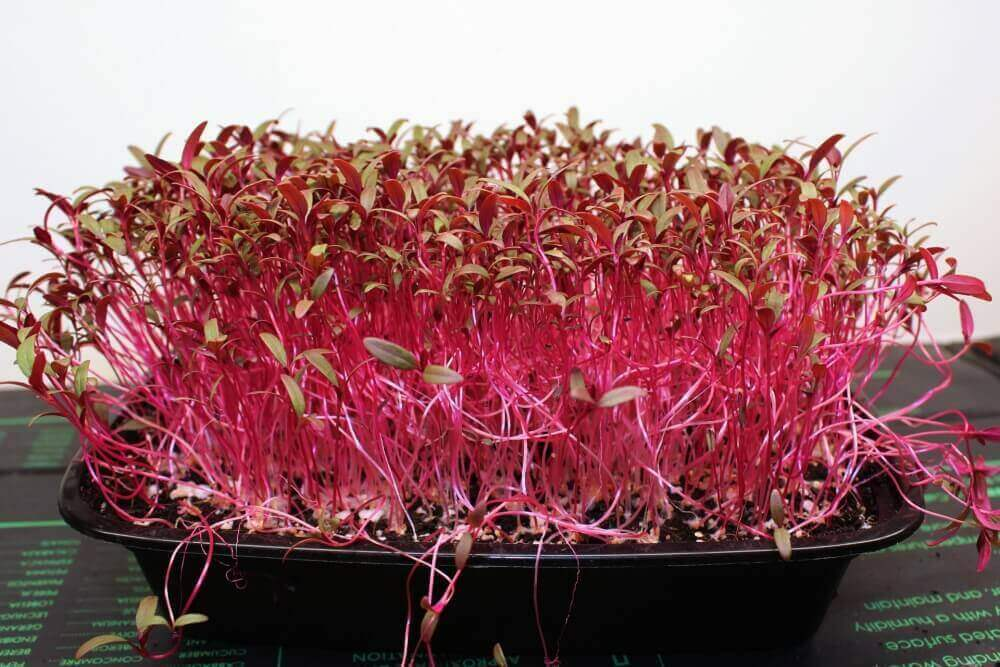
Amaranth

Fresh and Healthy Microgreens

E£148.00

is a wonderful ornamental plant characterized by its attractive, colorful leaves and bright flowers that hang in beautiful clusters. It can reach a height of about 1.5 meters and grows densely, giving a stunning appearance.

is not just an ornamental plant; it also has nutritional uses. The leaves and seeds are edible and rich in nutrients. In some cultures, marigold leaves are used as fresh or cooked greens, and can be included in salads or stews. The seeds are used as grains in cooking and are nutritious with health benefits.

taste

  • Leaves: The leaves of the marigold plant have a mild, slightly earthy flavor. When cooked, they can take on a more tender texture, similar to spinach or other leafy greens.

  • Seeds: Marigold seeds have a nutty flavor, somewhat similar to quinoa or amaranth, and they can add a pleasant crunch when used in dishes.

Cultures

Mexico ,India ,Kenya

Dishes

Salads , Avocado Toast , Soups , Sandwiches and Wraps , Smoothies , Garnish , Appetizers ,Pasta

benefits:


Nutritional Benefits:

  • Rich in Nutrients: Marigold leaves and seeds are high in essential nutrients, including vitamins A, C, and K, as well as minerals like calcium and iron.

  • High in Antioxidants: The plant contains antioxidants, which help protect the body from harmful free radicals and reduce inflammation.

  • Good Source of Protein: Marigold seeds are a great source of plant-based protein, making them an excellent addition to vegetarian and vegan diets.

  • Digestive Health: The fiber content in marigold leaves aids in digestion and helps maintain a healthy gut.

Aesthetic Benefits:

  • Garden Decoration: Marigold plants add vibrant colors and beauty to gardens, making them an excellent choice for ornamental purposes.

  • Pollinator Attraction: The bright flowers attract pollinators like bees and butterflies, which are essential for a healthy ecosystem.

  • Erosion Control: Marigold plants can help prevent soil erosion due to their dense growth and extensive root systems.

Hair:

  • Strengthening Hair: Oils extracted from marigold leaves can be used to enhance scalp health and strengthen hair roots, which helps reduce hair loss.

  • Moisturizing Hair: Natural marigold extracts help in moisturizing dry hair and improving its smoothness.

Skin:

  • Antioxidant: Marigold leaves contain antioxidants that help protect the skin from damage caused by free radicals, giving the skin a youthful appearance.

  • Moisturizing: Marigold extracts can be used in skincare products to hydrate dry skin and reduce irritation.

  • Anti-inflammatory: Natural compounds in marigold help soothe skin inflammations and reduce redness.

Diet and Nutrition:

  • Rich in Protein: Marigold seeds are high in plant-based protein, making them an excellent choice for vegetarians.

  • Vitamins and Minerals: Marigold leaves are packed with vitamins such as A, C, and K, as well as minerals like calcium and iron.

  • Digestive Health: Dietary fiber in marigold helps promote digestive health.

General Body Health:

  • Heart Health: The nutritional benefits of marigold can help improve heart health, including reducing cholesterol levels.

  • Immune Support: Regular consumption of marigold helps boost the immune system due to its rich vitamin and mineral content.

quantity

Water

Protein

Calcium

Iron

Vitamin A

Vitamin c

Vitamin k

Sodium

90%

4 grams

120 mg

4 mg

1900 mg

30 mg

400mg

5 grams

RELATED RECIPES

Creamy Amaranth Porridge: A hearty breakfast porridge made with amaranth, milk (or a plant-based alternative), and your favorite toppings like nuts, fresh fruit, and chia seeds.

Ingredients:

  • 1 cup amaranth grains

  • 3 cups water or milk (dairy or plant-based)

  • 1 tablespoon honey or maple syrup

  • 1 teaspoon vanilla extract

  • Pinch of salt

  • Fresh fruits, nuts, and seeds for topping

Directions:

  1. Rinse the amaranth grains under cold water.

  2. In a medium saucepan, bring the water or milk to a boil.

  3. Add the rinsed amaranth, reduce the heat to low, and simmer for about 20-25 minutes, stirring occasionally, until the grains are tender and the mixture has thickened.

  4. Stir in the honey or maple syrup, vanilla extract, and a pinch of salt.

  5. Serve the porridge warm, topped with fresh fruits, nuts, and seeds of your choice.


Gluten-Free Savory Amaranth Waffles: Crispy and wholesome waffles made with amaranth flour, perfect for savory toppings like a fried egg or a light pear fennel arugula salad.

Ingredients:

  • 1 cup amaranth flour

  • 1 cup gluten-free all-purpose flour

  • 1 tablespoon baking powder

  • 1/2 teaspoon salt

  • 2 large eggs

  • 1 1/4 cups milk (dairy or plant-based)

  • 1/4 cup melted butter or oil

  • 1 teaspoon vanilla extract

  • Savory toppings (e.g., avocado, poached eggs, cherry tomatoes, etc.)

Directions:

  1. Preheat your waffle iron according to the manufacturer's instructions.

  2. In a large mixing bowl, whisk together the amaranth flour, gluten-free all-purpose flour, baking powder, and salt.

  3. In a separate bowl, beat the eggs and then add the milk, melted butter or oil, and vanilla extract. Mix well.

  4. Pour the wet ingredients into the dry ingredients and stir until just combined. The batter should be slightly thick.

  5. Grease the waffle iron and pour in the batter. Cook according to the manufacturer's instructions until the waffles are golden brown and crispy.

  6. Serve the waffles warm with your favorite savory toppings.


Gluten-Free Amaranth Tortillas: Nutritious tortillas made with amaranth flour, perfect for tacos filled with black beans, poached eggs, and fresh veggies.

Ingredients:

  • 1 cup amaranth flour

  • 1 cup gluten-free all-purpose flour

  • 1/2 teaspoon salt

  • 3/4 cup warm water

  • 2 tablespoons olive oil

Directions:

  1. In a large mixing bowl, combine the amaranth flour, gluten-free all-purpose flour, and salt.

  2. Gradually add the warm water and olive oil to the dry ingredients, mixing until a dough forms.

  3. Knead the dough on a lightly floured surface for about 5 minutes until it becomes smooth and elastic.

  4. Divide the dough into 8 equal portions and roll each portion into a ball.

  5. Using a rolling pin, roll out each ball into a thin, round tortilla.

  6. Heat a non-stick skillet or griddle over medium heat.

  7. Cook each tortilla for about 1-2 minutes on each side until lightly browned and cooked through.

  8. Remove the tortillas from the skillet and keep them warm by covering them with a clean kitchen towel.