


Description
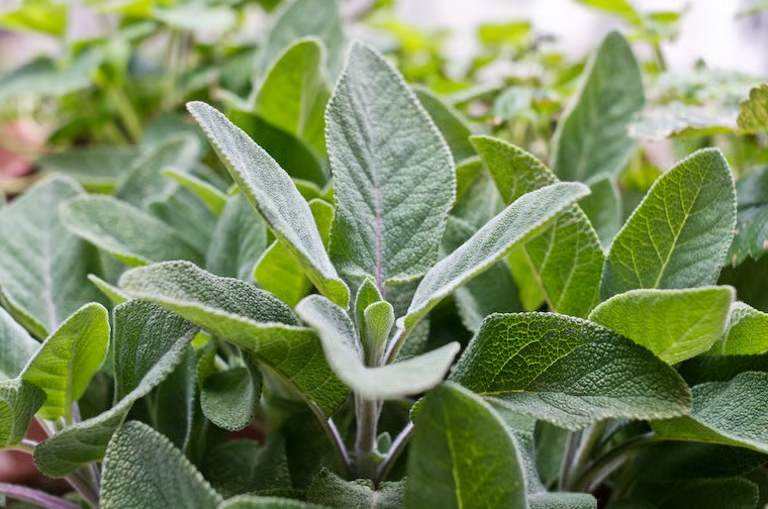
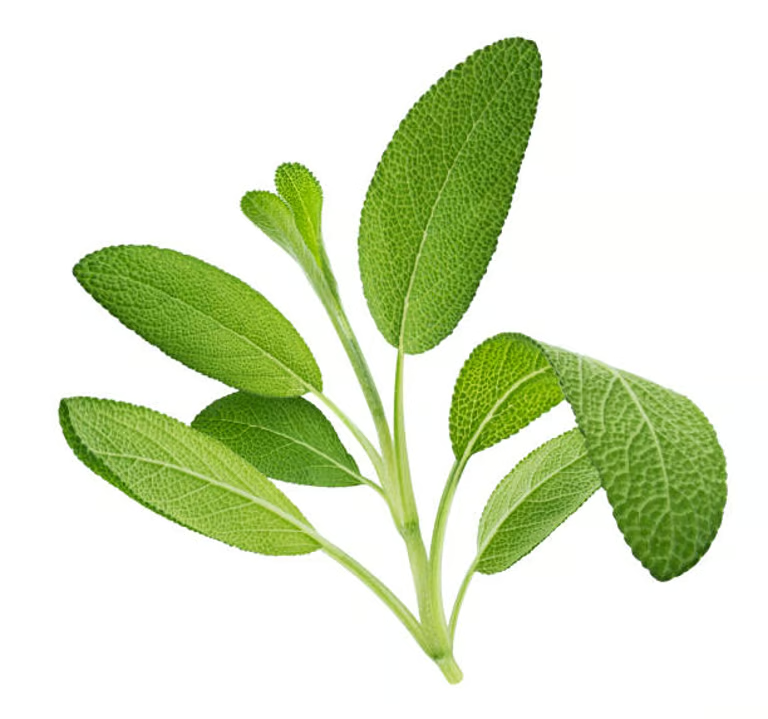
Fresh Sage Leaves with soft, silvery-green foliage and a distinctive earthy aroma, offering a warm, slightly peppery flavor that enhances roasted vegetables, pasta, soups, sauces, and gourmet dishes..
| Taste
Fresh Sage Leaves offer a bold herbal flavor with earthy, woody notes and a subtle peppery finish. Their aroma becomes more pronounced during cooking, making them especially suitable for roasted dishes, creamy sauces, pasta, poultry, and vegetable recipes. |
|---|
| Cultures
Italy, Germany, France, Turkey |
| Dishes
Restaurant-Style Garnishes, Bean and Lentil Dishes , Soups , Gourmet Appetizers , Smoothies , Garnish , ,Pasta |
benefits:
Face
- Botanical Compounds: Sage contains naturally occurring plant compounds, but specific skin benefits from eating fresh sage leaves are not well established.
- Dietary Variety: Fresh herbs can add flavor and variety to a balanced eating pattern.
Body
- Flavor Enhancement: Provides a strong, aromatic flavor to savory recipes.
- Cooking Versatility: Complements vegetables, poultry, pasta, legumes, and soups.
- Herbal Aroma: Brings a distinctive fragrance and depth to both everyday meals and gourmet dishes.
Hair
- Nutritional Support: Sage contributes nutrients to the diet, though normal hair health depends on overall nutrition and individual factors.
- Traditional Use: Sage appears in some traditional hair-care practices, but evidence for hair-growth
Use
For the Face
- Plant-Based Compounds: Sage contains naturally occurring plant compounds that contribute to its botanical profile.
- Skin-Care Ingredient: Sage extracts are used in some cosmetic formulations, but benefits from eating fresh sage leaves for skin appearance are not established.
How to Use: Sage Leaves are primarily a culinary herb. Avoid applying crushed leaves or homemade sage preparations directly to the face, especially if you have sensitive skin.
For the Body
- Rich Herbal Flavor: Adds depth to dishes and can help create flavorful meals with simple ingredients.
- Culinary Versatility: Pairs well with vegetables, poultry, pasta, beans, and creamy sauces.
- Fresh Herb Variety: A useful addition to a varied, balanced diet.
How to Use: Add a few washed leaves to soups, roasted vegetables, sauces, or pasta. Sage has a strong flavor, so start with a small amount.
For the Hair
- Botanical Ingredient: Sage is used in some traditional hair-care preparations, although strong evidence for hair-growth benefits is limited.
- Part of a Balanced Diet: A varied diet provides nutrients that support normal hair health.
How to Use: Enjoy Sage Leaves in cooked meals. Do not rely on sage as a treatment for hair loss or scalp conditions.

Reviews
There are no reviews yet.