
Description
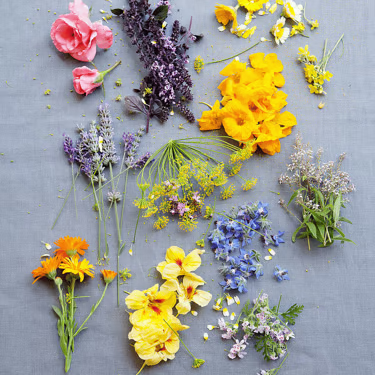
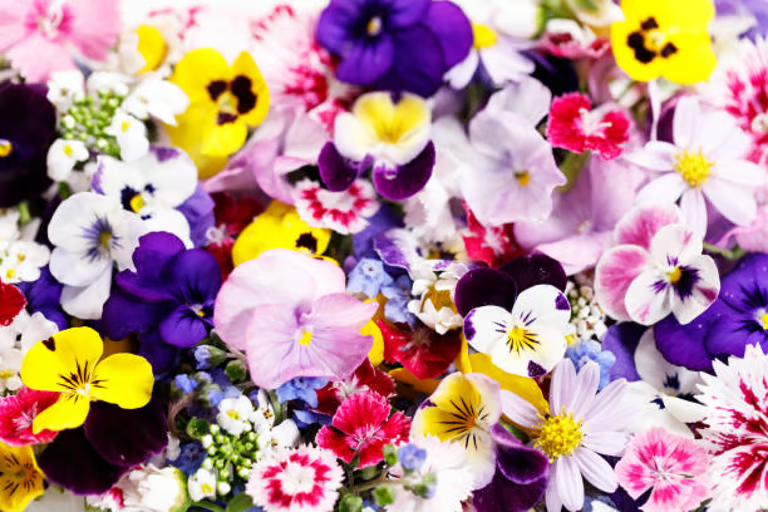
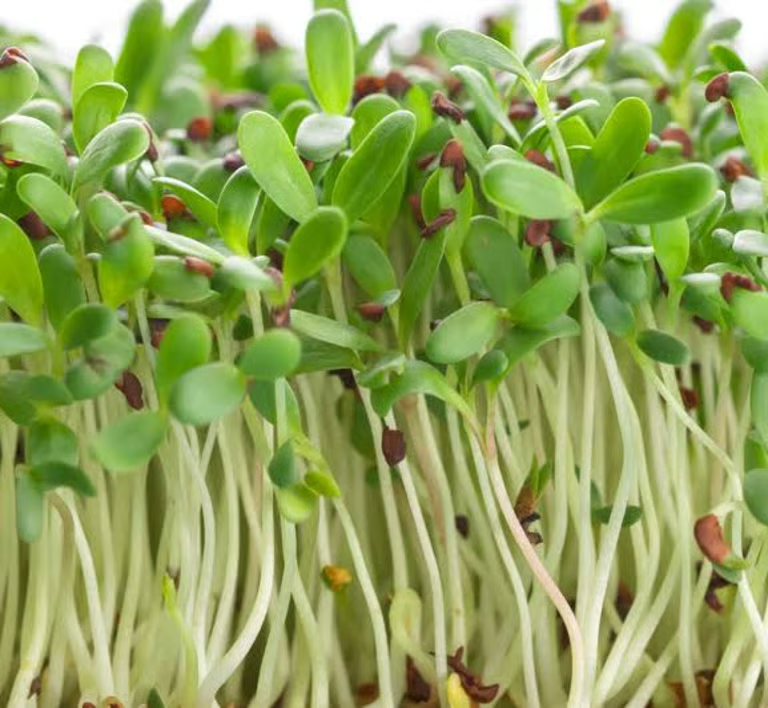
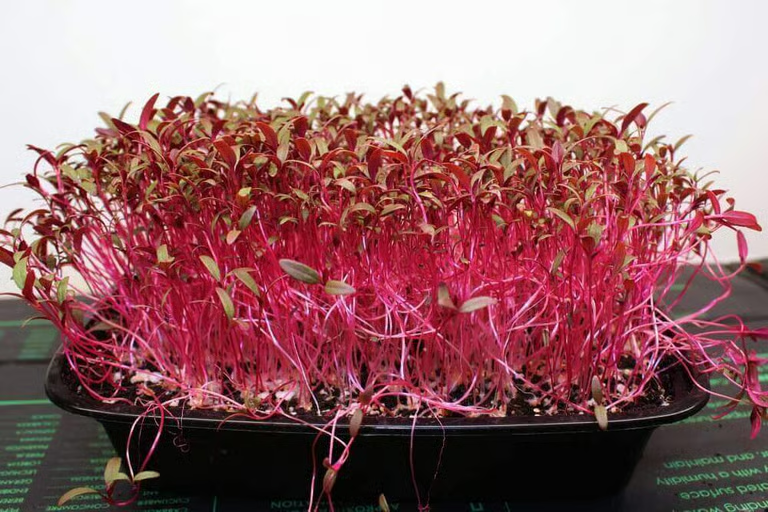
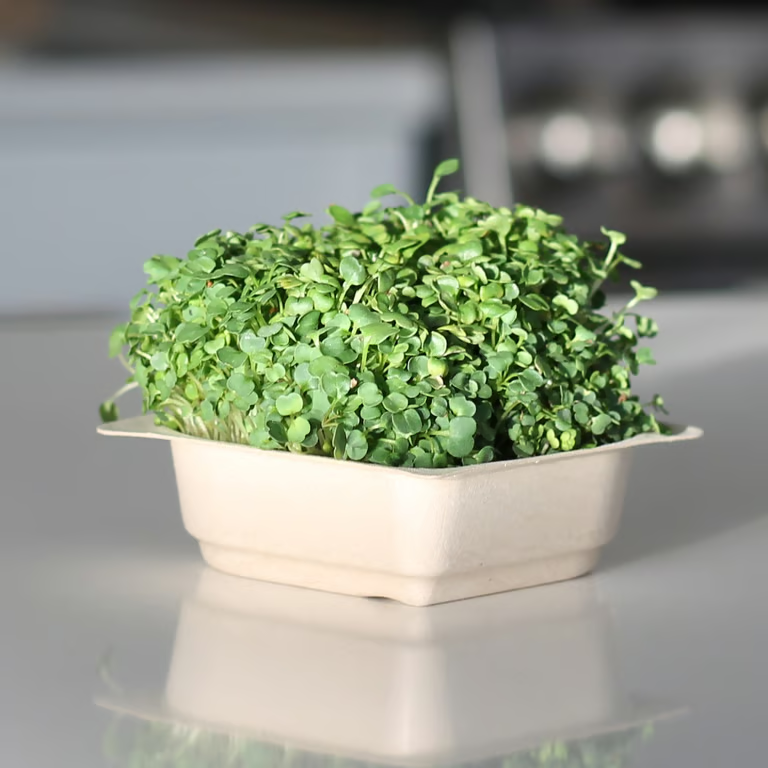
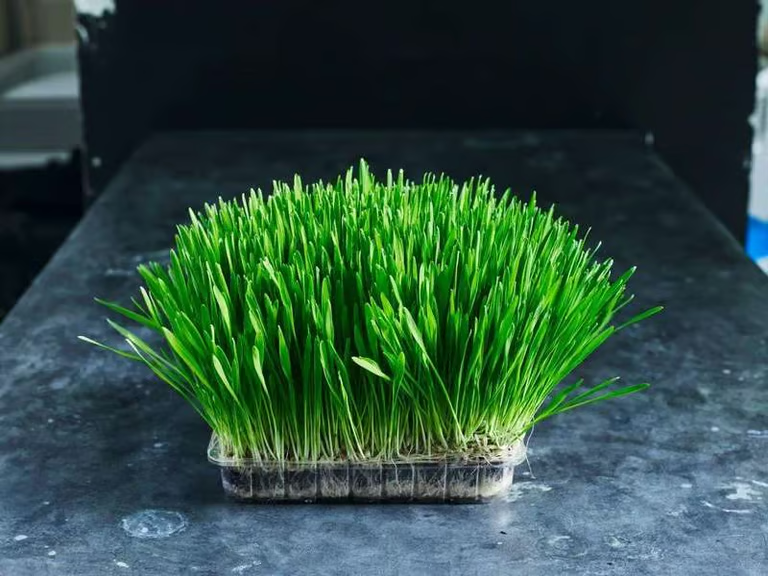
Edible flower is young sprouts of various flowering plants, harvested when they are about 1-3 inches tall. These microgreens come in vibrant colors and offer a range of flavors, from mild and sweet to peppery. They are rich in vitamins A, C, and K, and essential minerals like calcium, iron, and magnesium. Commonly used for garnishing salads, soups, and main dishes, or adding color and taste to smoothies and sandwiches, they enhance both the visual appeal and nutrition of your meals.
Taste
|
|---|
| Cultures
Egypt ,Asian ,Middle Eastern , European |
| Dishes
Pasta ,Pizza ,Smoothie Bowls, Cocktails, Yogurt Parfaits, Omelettes ,salad , soup, |
benefits:
- Nutritional value: Edible flowers contain a variety of vitamins and minerals, such as vitamin C, vitamin A, and potassium.
- Antioxidants: Some flowers contain antioxidants that help fight free radicals in the body, which enhances overall health.
- Mood booster: Fresh flowers can be inspiring and enhance the beauty of dishes, contributing to an improved mood when eating
- Visual Appeal: Adds a vibrant and visually stunning element to dishes, making meals look gourmet and appetizing.
- Creative Cooking: Encourages culinary creativity, making cooking and presenting food an enjoyable and artistic activity.
- Anti-inflammatory: Many edible flowers possess anti-inflammatory properties, aiding in reducing inflammation.
its use
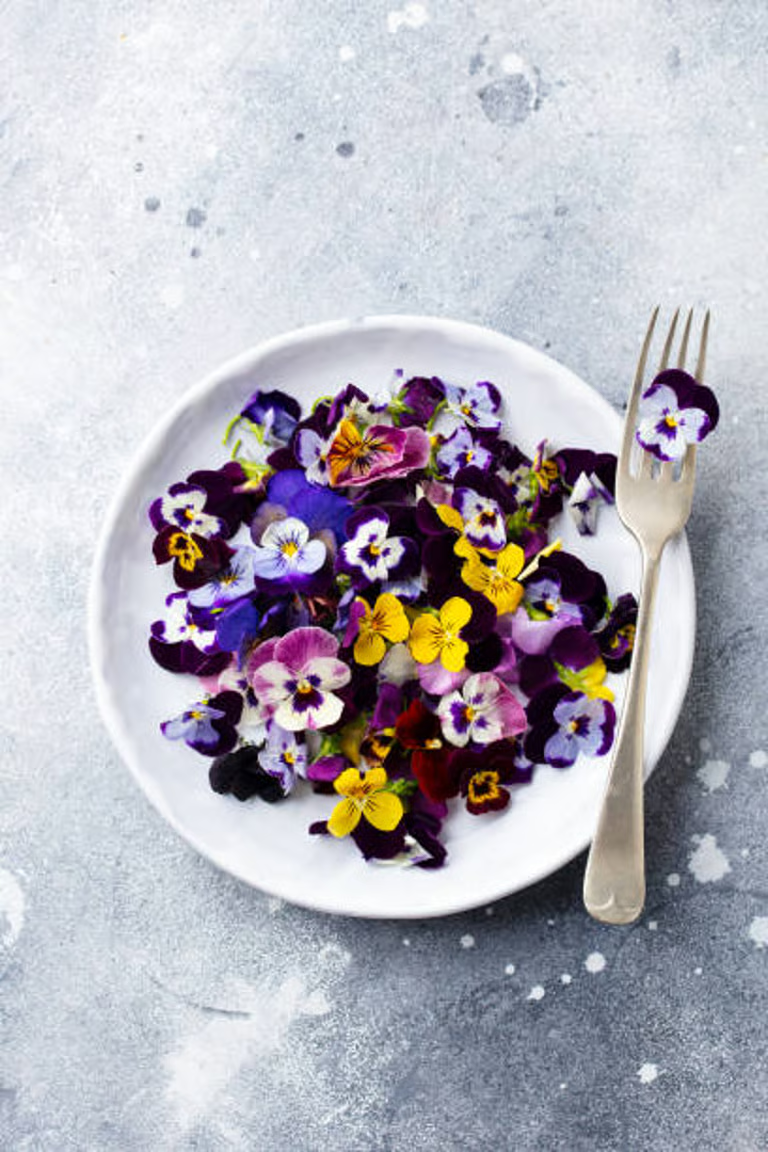
- Salads: Edible flowers can be added to salads to add bright color and a unique taste.
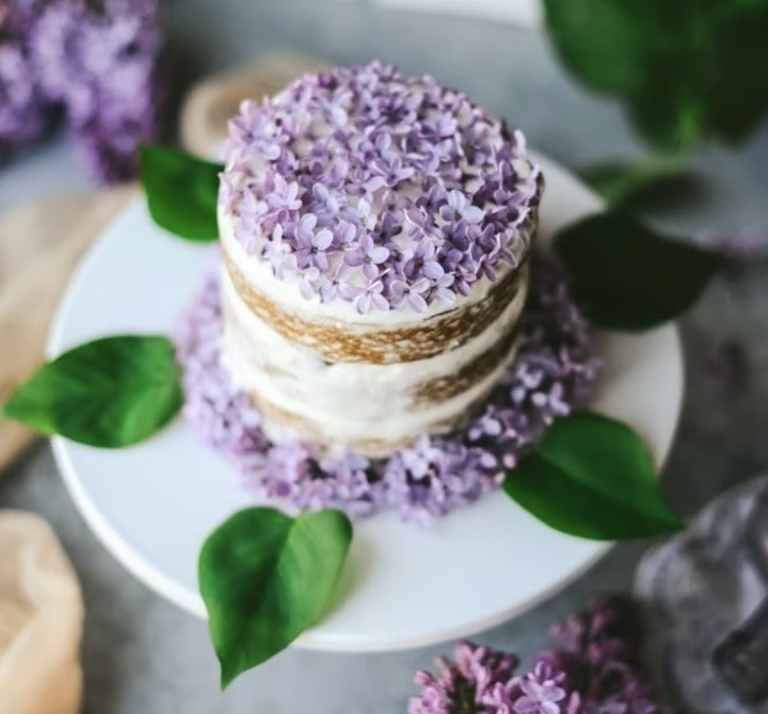
- Desserts: It can be used to decorate cakes and sweets, adding a touch of beauty and flavor.
- Beverages: Flowers are added to beverages such as tea and iced drinks, adding a distinctive flavor and aroma.
- Garnish: Flowers can be used as garnishes for various dishes such as main foods, soups, and even snacks

Reviews
There are no reviews yet.